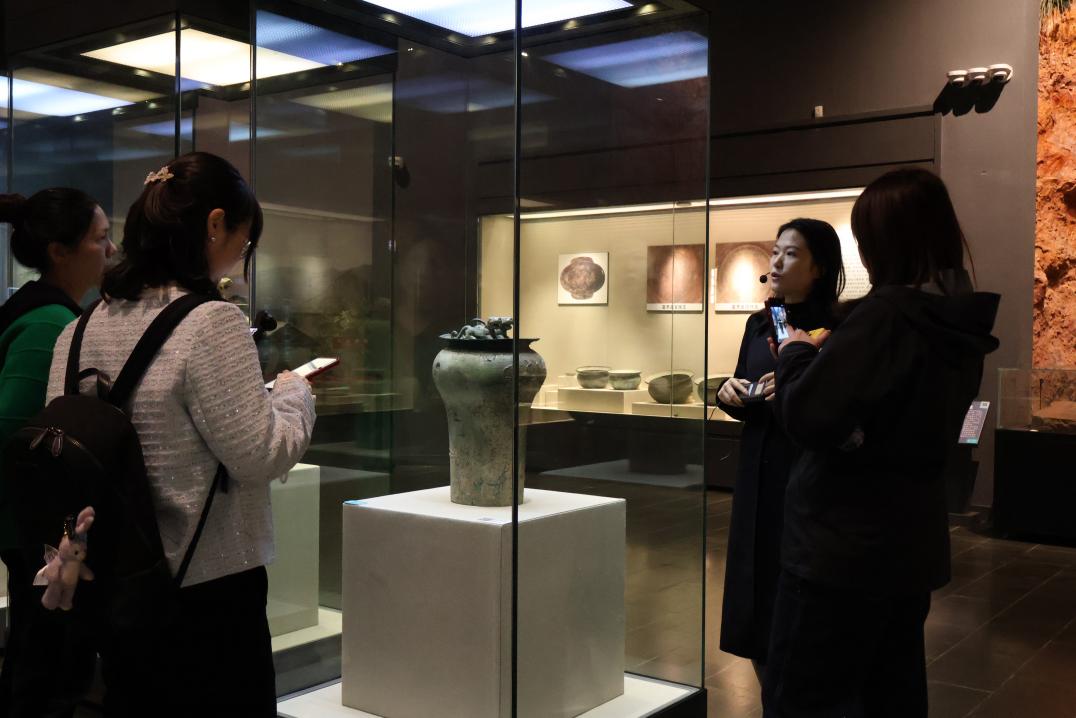
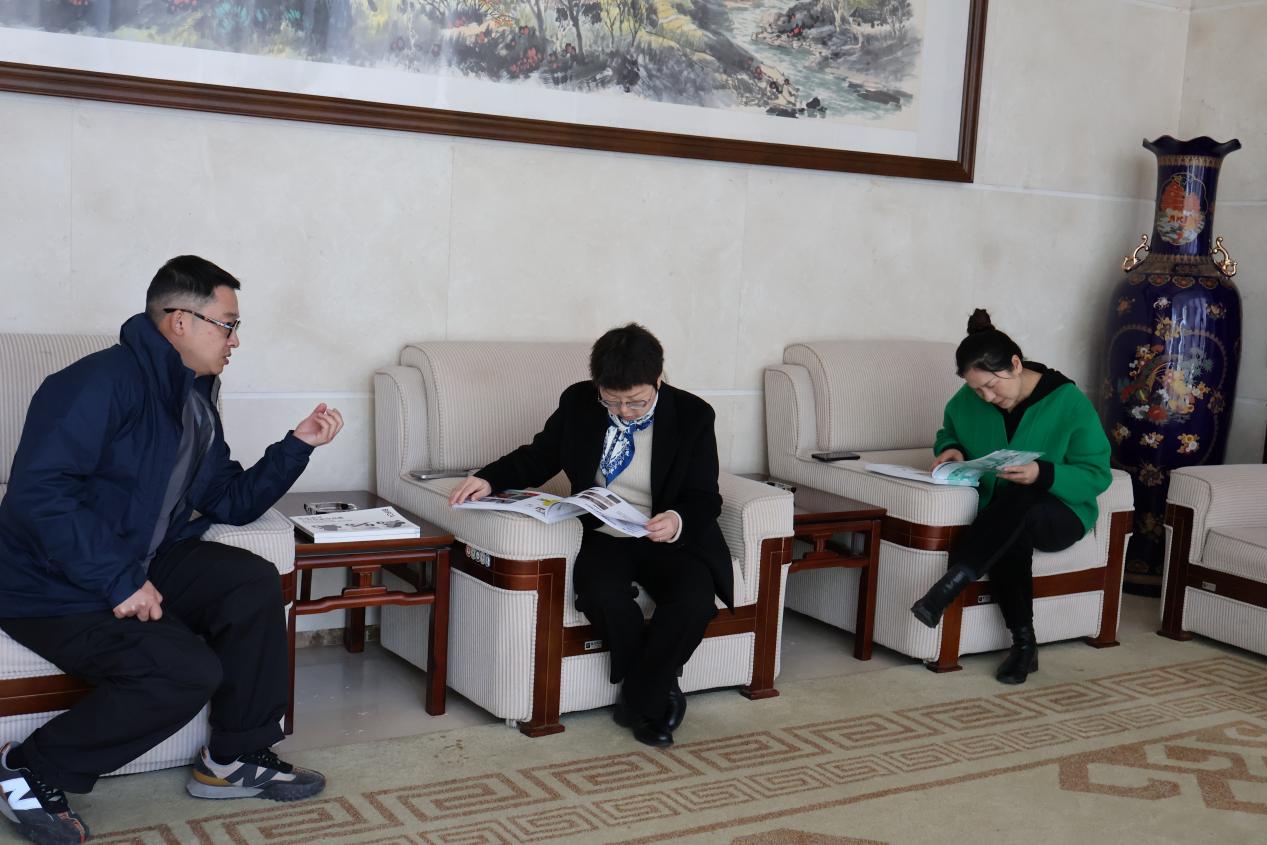
In active response to the call from the Hubei Provincial Cultural Heritage Administration for the fourth edition of the Jingchu Cultural Heritage Creative Design on Campusprogramme, and in order to advance the innovative transformation of Jingchu cultural heritage and talent development, a faculty delegation led by Liu Yi, Head of the Visual Communication Department at Birmingham Institute of Fashion and Creative Arts (BIFCA), Wuhan Textile University, carried out a four-day site visit and project alignment exercise in western Hubei’s Enshi Tujia and Miao Autonomous Prefecture from 30 March to 2 April. The team visited both the Enshi Prefecture Museum and Xuan’en County Museum as part of their fieldwork.
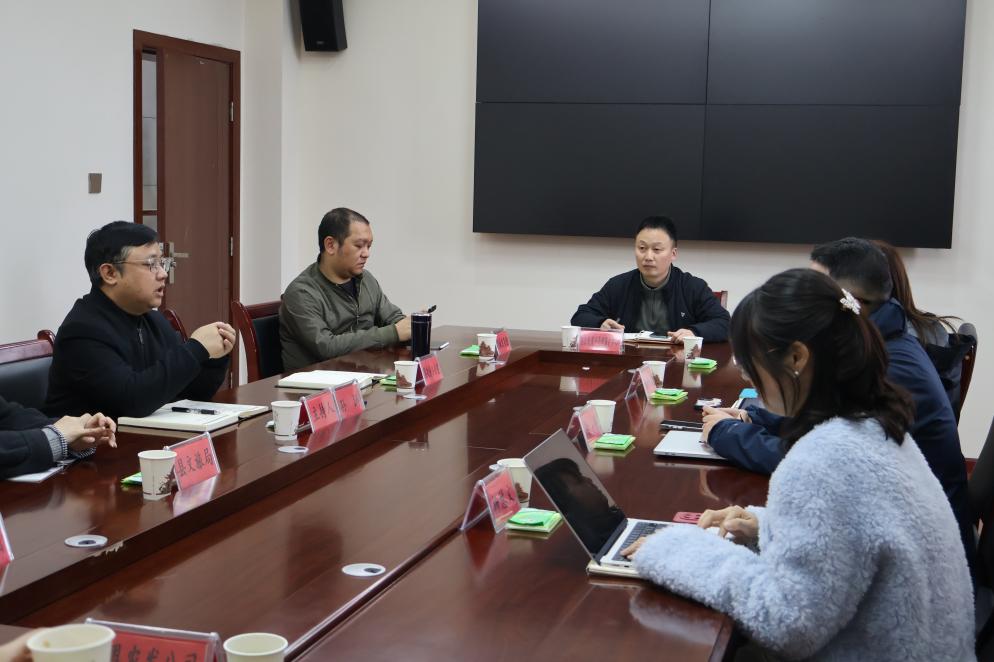
Organised by the Hubei Provincial Cultural Heritage Administration, this year’s programme aims to deepen “aesthetic education immersion” (meiyu jinrun) and, through a “one museum–one university–one enterprise” regional collaboration mechanism, build end‑to‑end industrial chains linking cultural artefacts with market-ready products. Within this framework, our university has formed a regional partnership with the Enshi Prefecture Museum and Xuan’en County Museum. The programme not only requires high-quality design output but also emphasises cultivating local cultural IP, with creative industry revenue feeding back into heritage preservation—exploring a “Hubei model” of industry–education integration.
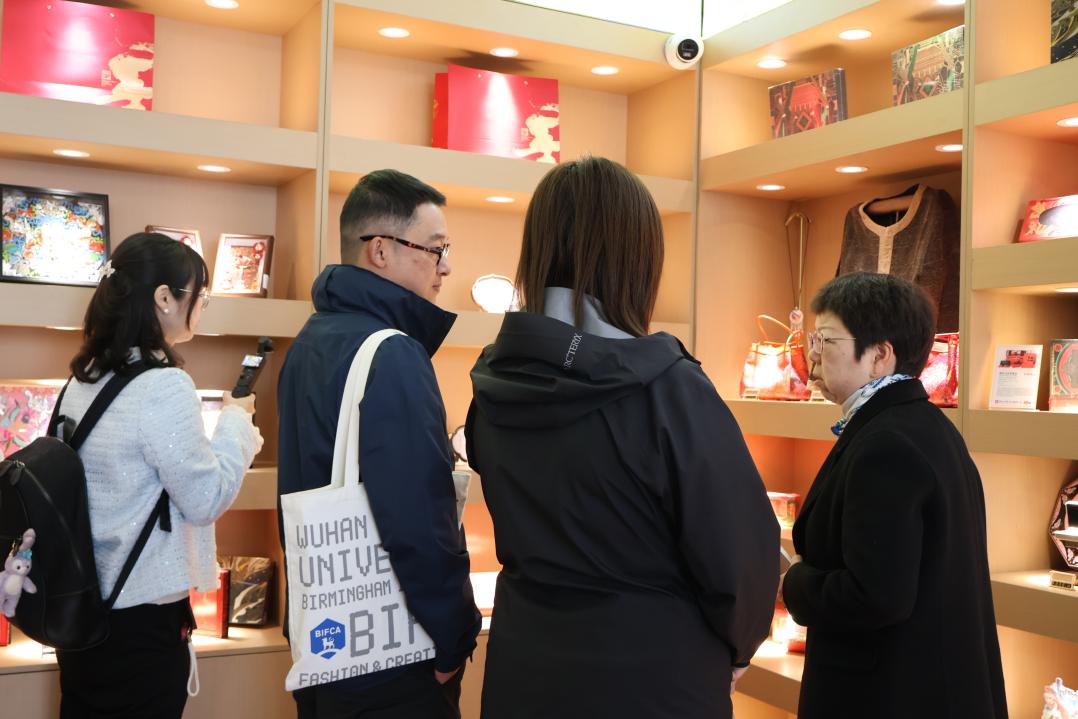
On 31 March, the delegation arrived first in Xuan’en County for a project coordination meeting with the county’s culture and tourism bureau, museum, and related tourism enterprises. Given that Xuan’en’s cultural product development is still at an early stage, both sides quickly reached consensus: rejecting generic, mass-market items in favour of a differentiated, premium approach. At the meeting, Head Liu Yi outlined a teaching philosophy of “cultural narrative driving design”, stressing that products must be rooted in deep historical context. The Xuan’en side proposed a “1–2+N” development strategy—focusing resources on creating one or two flagship products supported by a tiered pricing system that caters to both high-end official gifting and budget-friendly tourist markets. Both parties agreed on “Romantic Xuan’en · Home of Tributes” as the overarching theme, centring efforts on unique local elements such as Wujiatai Tribute Tea (with origins linked to imperial recognition during the Qianlong era), Shiziguan Gorge, and Wenlan Bridge, while integrating Grade I and II artefacts from Xuan’en Museum collections.
On 1 April, the research group proceeded to the Enshi Prefecture Museum for in-depth discussions with museum leadership and core staff. With rich holdings in modern “Enshi Memory” history and ethnic culture (including Xilankapu brocade and Nuo mask traditions), the museum seeks to move beyond standalone physical products toward “culture + experience” offerings. Reviewing successful models from previous university collaborations, the two sides mapped out a timeline of “April for research and workshops, May for intensive creation, and June for mid-term refinement”. In line with the museum’s needs, the team focused discussion on three priorities: first, developing high-end gifts for official promotion using revolutionary-era collections (such as the silver cup presented by Sun Yat-sen); second, designing lightweight, interactive educational products for the museum’s annual roster of over twenty travelling exhibitions, especially those featuring Xilankapu and Nuo masks; and third, building a full-spectrum product matrix spanning price points from under ¥20 to several thousand yuan, thereby filling a gap in the market for upscale Enshi-themed souvenirs.
This visit to Enshi was not merely about gathering reference material, but a process of situating design thinking within its local context. What the team brought back went beyond the fragrance of Xuan’en tribute tea and the gravitas of Enshi’s historical artefacts—it included profound expectations from both museums regarding the university’s capacity for industry–academia–research synergy.
Looking ahead to the fourth edition of the programme, BIFCA will leverage its dual strengths in international perspective and local engagement, mobilising over a hundred students and faculty for the creative phase. Next steps include inviting museum experts from both sites to deliver special lectures in Wuhan, followed by organised student field visits to Enshi. The aim is to deliver results that satisfy both museum standards and market demands by the final review, truly bringing cultural relics to life and contributing Wuhan Textile University’s insight to the high-quality development of Enshi’s cultural tourism sector.